A Soft Guide to Couples Spa Weekends
Outline:
1) Why a couples spa weekend works: connection, stress relief, and time efficiency
2) Choosing your setting: mountains, coast, or city, and how to match it to your relationship
3) What to expect: treatments, hydrotherapy circuits, and mindful add-ons
4) Budgeting and value: packages, line-item costs, and seasonal strategies
5) Planning, etiquette, and aftercare: scheduling, boundaries, and bringing the calm home
Why a Couples Spa Weekend Works
A couples spa weekend is a short, concentrated reset that blends rest with intentional time together. Unlike a sprawling vacation, a two-night retreat compresses recovery into a focused window where your calendar is simple and your decisions are few. That simplicity lowers friction: no complicated sightseeing, no logistics race, just a shared sequence of treatments, slow meals, and unscheduled hours. Many partners find that the quiet between activities becomes a conversation space that busy weeks rarely allow. Even the ritual of changing into robes or stepping into a thermal pool together cues the mind to downshift, making it easier to reconnect without forcing it.
There is also a practical advantage: access. Most regions have options within a two- to three-hour drive or train ride, so you can arrive on a Friday evening and feel restored by Sunday. Short travel time reduces fatigue and cost, and it makes the rhythm of the retreat gentle from the start. The setting also does a portion of the emotional work. Natural materials, water features, and quiet lounges reduce sensory demands, helping both of you arrive at the same pace. From soothing treatments to peaceful spa environments, these getaways focus on shared wellness experiences.
If you are weighing whether to plan a longer holiday instead, consider what you need most. If the goal is connection, not sightseeing, a compact retreat offers high “quality-time density.” You can stack experiences that support bonding: a synchronized massage, a hydrotherapy circuit done side by side, a guided breathing session, and an early night. The result is often a feeling of being “caught up” emotionally. Meanwhile, the commitment is modest: two nights away, a predictable budget, and a structure that can be repeated seasonally. Over time, turning this into a twice-yearly ritual can act like preventive maintenance for the relationship, keeping stress from accumulating unnoticed.
Choosing Your Setting: Mountains, Coast, or City
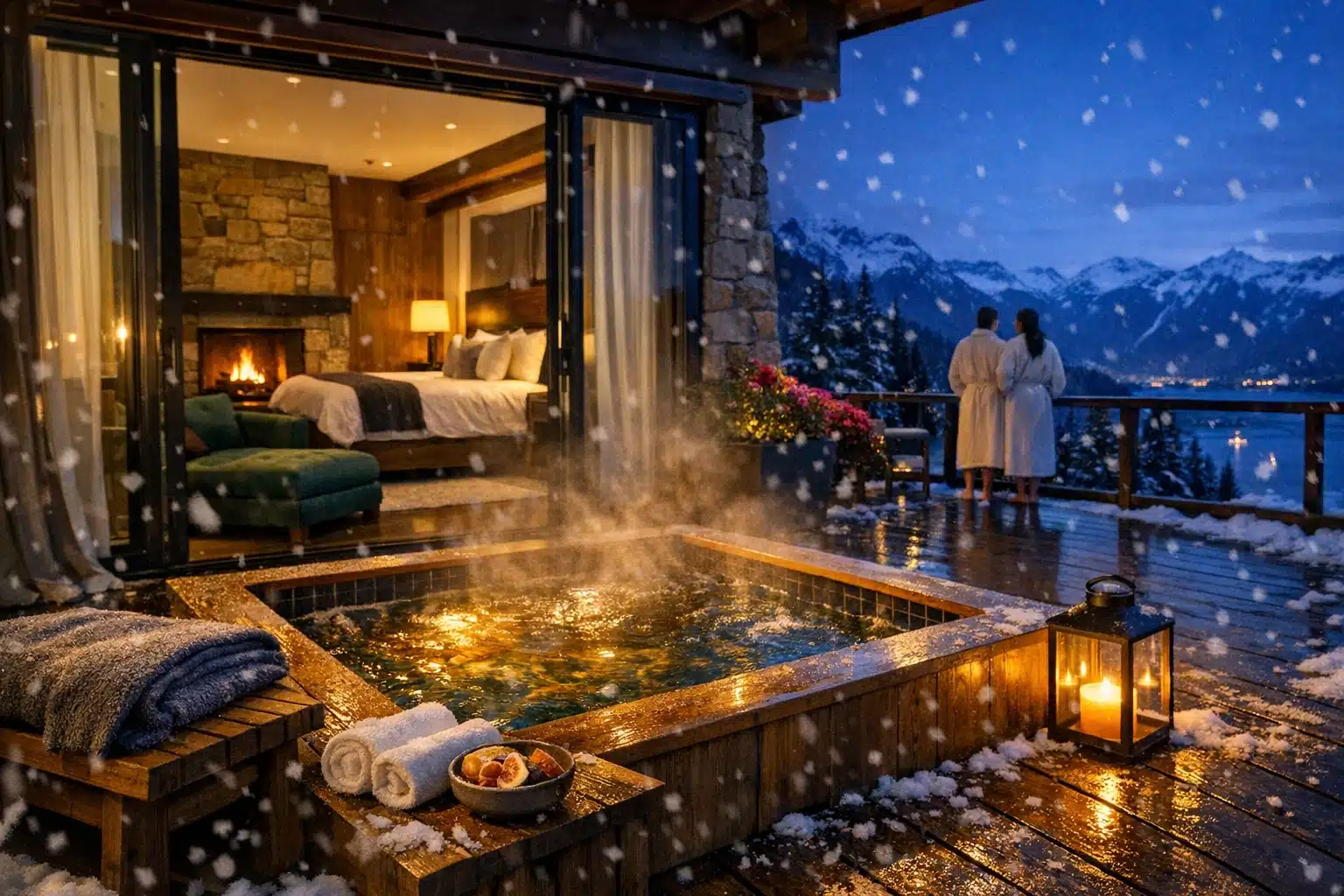
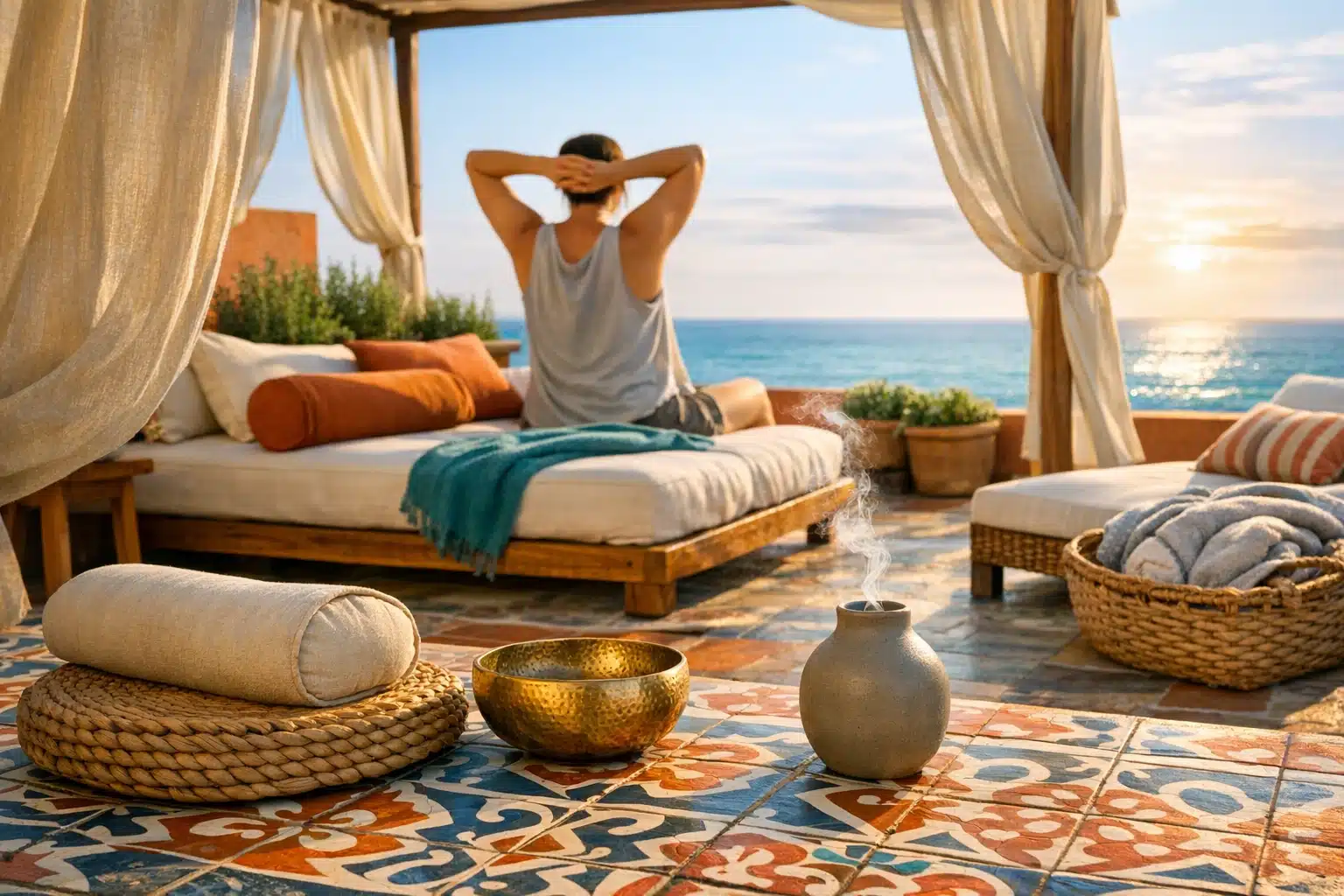
Destination shapes the mood of the entire weekend. Mountain spas often emphasize mineral springs, wood-fired saunas, and panoramic silence; they appeal to couples who want nature-led calm and crisp air. Coastal retreats may feature thalassotherapy pools, ocean-fed air rooms, and brisk walks on the shore, which can feel both invigorating and soothing. Urban sanctuaries, by contrast, excel at convenient access, stylish facilities, and a wide choice of dining nearby; they suit partners who want serenity paired with a few cultural stops. Climate, travel time, and personal preferences will guide the choice more than any single amenity.
To compare settings, ask how you handle noise, temperature, and downtime. Some thrive on sea breezes and open horizons; others crave the hush and scent of pine. Consider these practical filters before booking:
– Travel window: Aim for two to three hours door-to-door to keep Friday night arrivals easy.
– Weather tolerance: Saunas and hot plunge pools are delightful in cold weather; ocean walks shine in temperate seasons.
– Activity mix: Do you want hiking between sessions, or a gallery and a quiet dinner?
– Privacy level: Mountain lodges often feel more secluded; city locations offer discrete privacy within larger properties.
Seasonality matters, both for pricing and feel. Shoulder seasons typically offer more availability and quieter facilities, which can deepen the reflective tone of the weekend. If you are sensitive to crowds, avoid holiday periods when day guests swell numbers. If you love the energy of a lively lounge, a city retreat on a bustling weekend can be delightful. Room design is worth noting too: look for good soundproofing, blackout shades, and in-room soaking tubs if you want to extend the spa vibe into your private space. Think of the destination as the soundtrack to your time together; when the setting matches your shared rhythm, the entire experience gains coherence and ease.
What to Expect: Treatments, Hydrotherapy, and Mindfulness
Most couples begin with a shared massage because it synchronizes breathing and resets pace. A 60- or 90-minute session allows practitioners to address common desk- or travel-related tension while keeping pressure preferences individual. Many venues also offer body scrubs, wraps, and scalp rituals, which can be booked side by side without being identical. After hands-on work, the hydrotherapy circuit—typically a flow of warm pool, steam room, cold plunge, and rest—helps muscles integrate the benefits. Alternating heat and cool is not only soothing but can also enhance perceived recovery and improve sleep quality later that night.
Beyond the classics, consider adding guided practices. Short meditation classes, breathwork, or gentle stretching sessions are low-effort ways to support emotional presence. Some properties include tea ceremonies or aromatherapy blending bars, where you create a joint scent for the weekend. If one partner is newer to spa culture, discuss preferences in advance (pressure depth, fragrance tolerance, and comfort with heat). A quick conversation avoids surprises and keeps both of you relaxed from the outset. From soothing treatments to peaceful spa environments, these getaways focus on shared wellness experiences.
Safety and comfort deserve a glance. Heat rooms and cold plunges are not for everyone; if you have circulation concerns, are pregnant, or are recovering from illness, confirm what is appropriate and skip extremes. Plan the order of experiences to reduce fatigue: hands-on treatments first, then heat/cold therapy, then quiet time and an early dinner. A simple sequence might look like this:
– Arrival snack and hydration
– Shared massage (60–90 minutes)
– Hydrotherapy circuit with ample rest between stations
– Light, unhurried meal and an early night
The goal is to feel unhurried, present, and connected, not to complete a checklist. Leave space for naps, long silences, and spontaneous moments; a gentle pace becomes the quiet center of the weekend.
Costs, Packages, and Realistic Value
Pricing varies widely by location and season, but you can sketch a realistic weekend budget in advance. Room rates often form the largest share; add daily spa access fees if they are not included. For treatments, many couples choose one longer massage plus one additional service each. A reasonable range for two nights with two to four treatments total might run from moderate to premium pricing depending on region and amenities. Remember to account for meals, parking or transfers, and gratuities where customary; these soft costs can be the difference between a tight and comfortable budget.
Before booking, compare package deals with à la carte planning. Packages sometimes bundle a room, breakfast, spa access, and a treatment credit at a favorable rate, especially Sunday-to-Thursday. À la carte lets you tailor exactly what you want, which is useful if one of you prefers meditation or hydrotherapy over multiple massages. Scan the fine print for time restrictions, blackout dates, and whether amenities like thermal circuits require a separate reservation. When comparing, do the math on actual inclusions, not just headline rates, to avoid paying for features you will not use.
Savings strategies can preserve value without trimming comfort:
– Travel off-peak or shoulder season for quieter spaces and gentler prices.
– Book a single extended treatment together rather than multiple short ones.
– Choose a destination within easy driving distance to avoid flight costs.
– Pack snacks and a reusable water bottle to reduce incidental spending.
– Bring your own basics (swimwear, sandals) to skip on-site retail.
Value is not only monetary; it is also about outcomes. If you return home rested, with one or two new rituals you can repeat, the weekend pays dividends beyond the calendar. Track what felt most restorative—perhaps a late-morning hydrotherapy session or an early evening walk—and repeat that sequence next time. Investing in repeatable calm is more durable than chasing novelty for its own sake. Align your budget with the experiences that meaningfully support connection, and you will feel both prudent and indulged.
Planning, Etiquette, and Aftercare that Lasts
A gentle plan protects the mood you are hoping to create. Reserve the treatments you care about most before arrival, and leave open patches for naps or reading. Share expectations with each other in simple terms: Do you want long conversations or companionable quiet? Is a phone-free window appealing? Agree on a loose schedule, then practice flexibility once you arrive. Pack lightly but intentionally—swimwear, a soft layer for cool lounges, and comfortable footwear for walking between facilities. Day-of travel should be simple: eat something light, hydrate, and avoid heavy caffeine to help your body respond to heat and massage.
Etiquette keeps the shared environment serene. Speak softly in lounges, silence devices, and shower before pools or heat rooms. If you have special requests (unscented oil, extra blankets, low lighting), mention them at check-in so staff can prepare. Consent matters in couples treatments too; agree on pressure ranges and areas of focus so both of you feel safe and supported. If one partner wants more activity and the other less, split briefly and reunite for a tea break. From soothing treatments to peaceful spa environments, these getaways focus on shared wellness experiences.
Aftercare turns a weekend into a longer arc of calm. Hydrate, eat nourishing food, and go to bed early on the final night; deep rest consolidates the gains from heat and bodywork. The next day, avoid cramming the calendar. Instead, build a “soft landing” with a walk, light stretching, or a simple at-home foot soak. Capture one or two rituals to continue together:
– A weekly 15-minute back-and-shoulder exchange with gentle pressure
– An evening breath routine: four slow counts in, six counts out, for five minutes
– A monthly mini “spa hour” at home with warm baths, herbal tea, and screens off
The aim is not to recreate a luxury facility but to protect what you re-learned about pace and presence. Choose ritual over rarity. When you return to the same spa or a similar setting, you will carry forward a shared language of relaxation, making each retreat easier to enter and richer in effect. In this way, a couples spa weekend becomes less of a one-off treat and more of a steady practice that supports the relationship across the seasons.