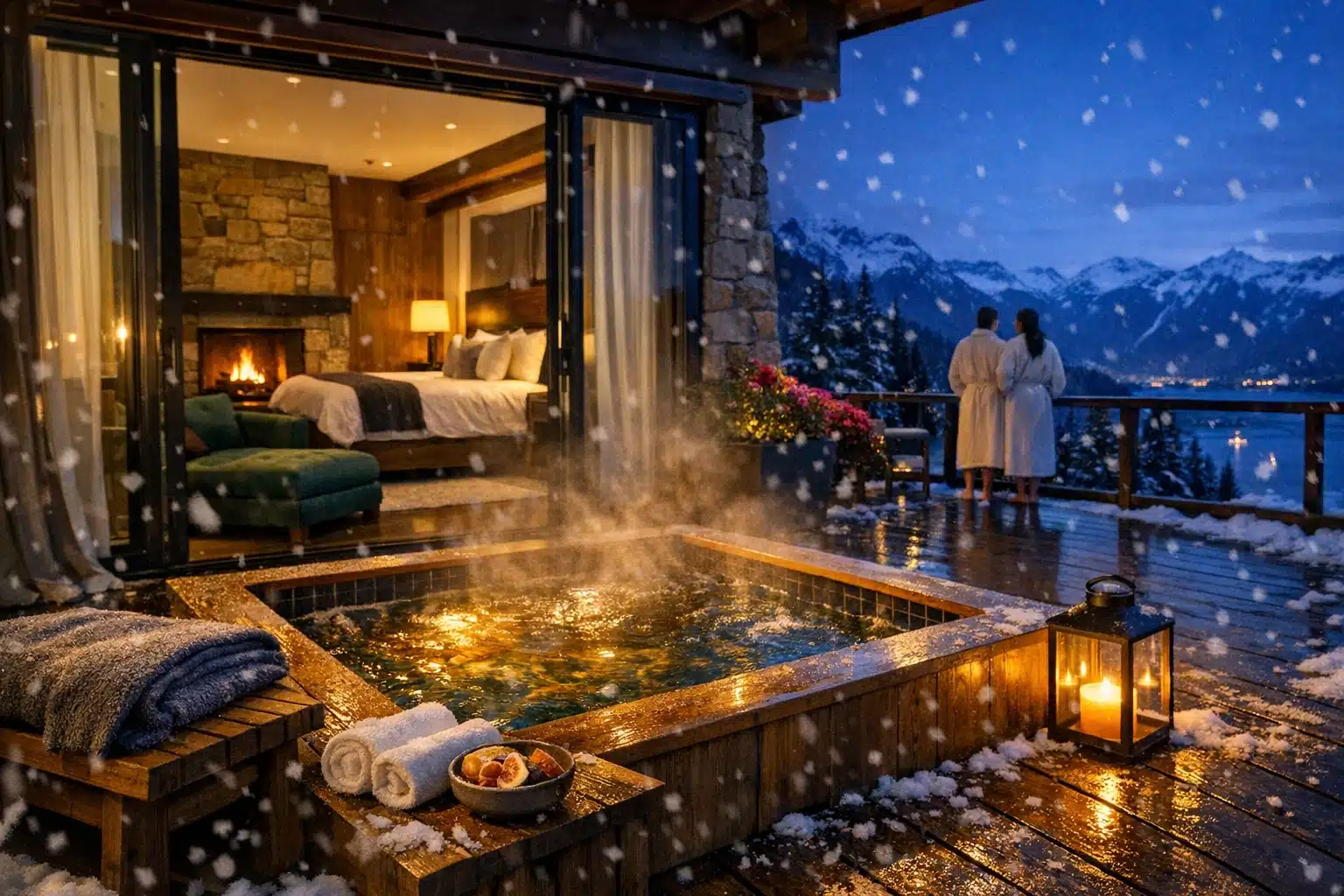
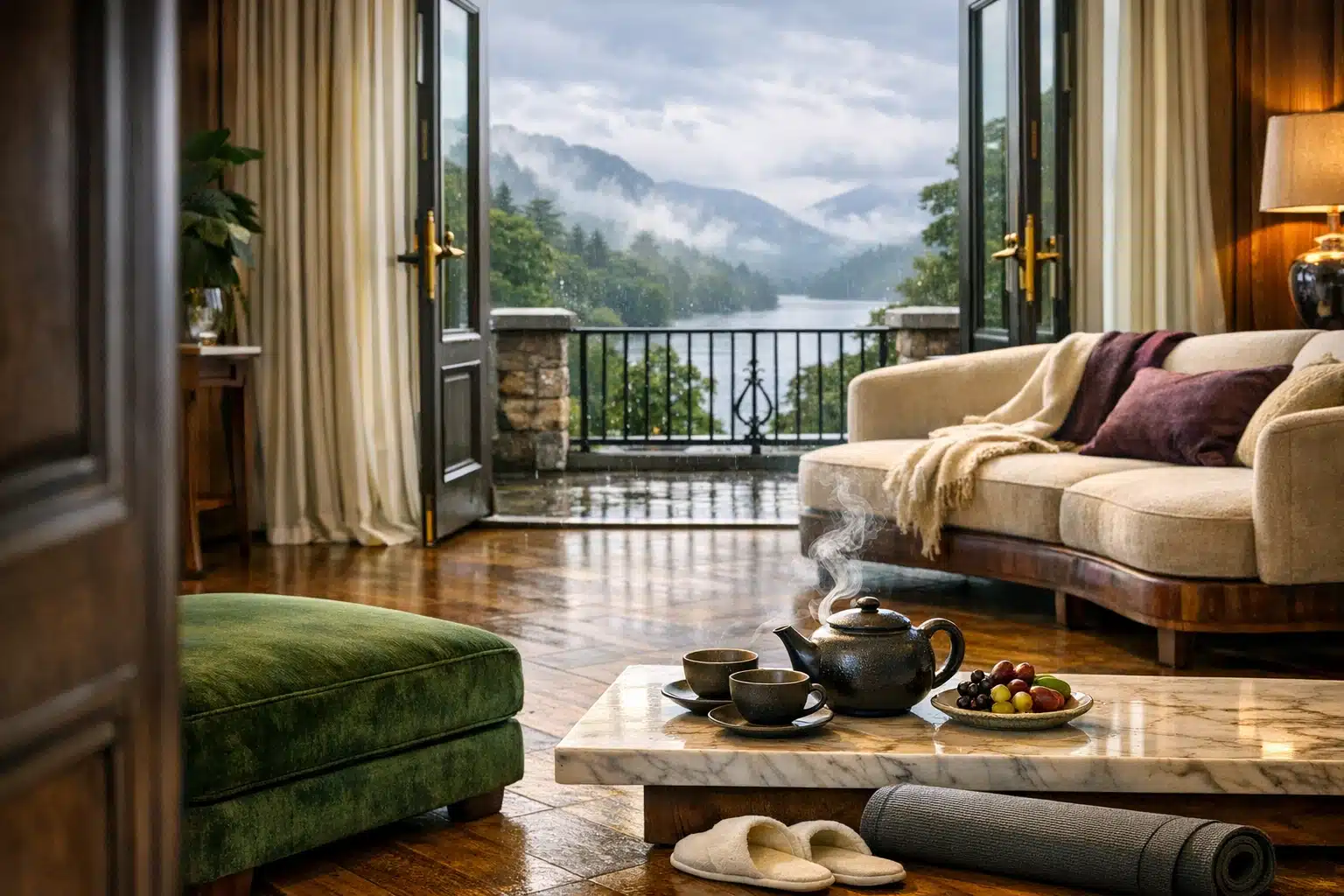
 Artificially generated image
 2-Night All-Inclusive Lake District Spa Retreat: What to Expect
Short breaks have evolved from simple time off into purposeful pauses that help people slow down, reset habits, and return with clearer energy. A two-night spa stay by the water combines comfort, nature, and gentle structure in a way that fits modern schedules. Rather than organising a long holiday, travelers can choose an experience where treatments, meals, and quiet scenery are already part of the plan. That balance makes wellness travel feel both practical and genuinely restorative.
Outline and Purpose: Why a Two-Night Retreat Appeals to Modern Travelers
A two-night all-inclusive spa retreat sits in a sweet spot between a rushed day trip and a longer, more expensive holiday. It gives enough time to switch pace, settle into a different environment, and enjoy a few carefully chosen experiences without the pressure of filling a full week. For many people, that matters more than luxury language or a glossy brochure. Modern schedules are crowded, attention is fragmented, and genuine rest often requires more than a free afternoon. A short retreat answers that reality by putting recovery into a format that feels attainable.
This article follows a simple outline so readers know what to expect before the bags are packed. It looks at:
- what makes a spa escape different from an ordinary hotel stay
- how a wellness break combines food, sleep, movement, and downtime
- why a lake setting changes the mood of a trip in a noticeable way
- what all-inclusive elements usually cover and where extra costs may appear
- who benefits most from this kind of break and how to choose wisely
The format matters because not every short break is genuinely restorative. Some hotel packages promise calm but deliver a crowded pool, an overbooked treatment list, and a dinner reservation squeezed between check-in delays. A well-designed retreat works differently. It creates a sequence: arrival, decompression, treatment time, good meals, quiet evening, deep sleep, unhurried morning, and time outdoors. That order can make even forty-eight hours feel longer than they are.
Industry reporting from organizations such as the Global Wellness Institute has shown that wellness tourism has become a major segment of travel, which helps explain the popularity of short, structured getaways. Yet statistics only tell part of the story. On a personal level, people often book these breaks because they want relief from screens, commuting, mental clutter, or the feeling that every weekend gets swallowed by chores. In that sense, the appeal is not only indulgence. It is efficiency with a softer edge.
Think of the two-night retreat as a bridge. One side holds ordinary routine; the other offers a calmer rhythm, where even a cup of tea beside the water seems to arrive with more patience. The sections that follow unpack how that rhythm is created and how spa escapes, wellness breaks, and lake retreats differ while still working beautifully together.
Spa Escape: What It Really Includes Beyond a Treatment Room
The phrase spa escape often sounds simple, but in practice it can mean very different things depending on the property. At its best, a spa escape is not just a massage added to a hotel reservation. It is a coordinated environment built around relaxation, privacy, and sensory contrast. Warm pools, thermal suites, hydrotherapy areas, changing rituals, quiet lounges, herbal teas, soft lighting, and trained therapists all contribute to the result. The treatment may be the headline, but the surroundings shape the memory.
A useful comparison is the difference between a city day spa and a destination spa stay. A day spa can be excellent for a quick reset, especially for locals, but it usually begins and ends in the same routine-filled day. You arrive from traffic, glance at messages, enjoy the treatment, then head straight back into errands and obligations. A spa retreat in the Lake District or a similar rural setting extends the benefit because travel, check-in, dinner, and overnight rest become part of the recovery process. The body is not being asked to relax for an hour and then instantly perform again.
Most two-night spa packages include one or two of the following:
- a signature massage, facial, or body treatment
- access to a pool, sauna, steam room, or thermal circuit
- robes, slippers, and in-room amenities geared toward comfort
- scheduled use of relaxation areas or spa gardens
- breakfast and at least one evening meal
What matters is how these elements are timed. A skilled therapist can relieve muscle tension, but the effect is easier to notice when treatment slots are not rushed and when guests have time afterward to rest rather than race to the car park. That is why a two-night plan often feels smarter than a one-night package. On the first evening, the traveler arrives and lets the pace drop. On the second day, the full spa experience lands properly. By the final morning, there is still space for breakfast and a final swim or quiet sit before departure.
It is also worth understanding the limits. A spa escape is helpful for stress management and comfort, yet it is not a substitute for medical treatment, sleep debt recovery over months, or long-term lifestyle changes. The strongest retreats acknowledge this honestly. They do not promise transformation in forty-eight hours. Instead, they offer a credible reset: looser shoulders, calmer breathing, better sleep, fewer decisions, and a reminder of what it feels like when the day is not pulling from all directions at once.
Wellness Break: The Difference Between Feeling Busy Elsewhere and Resting With Intention
A wellness break is broader than a spa escape, even though the two often overlap. If the spa is about targeted comfort and physical relaxation, wellness is about the total rhythm of the stay. It includes how you eat, when you sleep, how much you move, whether you are surrounded by noise, and how often your attention is interrupted. That is why an all-inclusive two-night break can feel surprisingly effective. It removes friction from the experience. You do not need to spend the whole weekend deciding where to eat, whether to book activities, or how to structure the day.
The biggest difference between an ordinary weekend away and a real wellness break is intention. A standard leisure trip may be full of shopping, late nights, heavy meals, and a packed sightseeing list. That can be fun, but it is not always replenishing. A wellness-focused stay aims for steadier energy. Menus tend to be balanced rather than restrictive, portions are satisfying without being excessive, and the schedule leaves enough room to breathe. Some properties add yoga, guided walks, meditation, or gentle fitness classes, though the best programs avoid making guests feel as if they have enrolled in a boot camp with bathrobes.
Included dining is a major part of the value. When breakfast and dinner are part of the package, the retreat becomes easier to enjoy because key decisions have already been handled. This does not just help with budgeting; it also reduces mental load. Many guests underestimate how tiring constant micro-decisions can be. Choosing less, for a short while, is one of the hidden luxuries of a good wellness stay.
Common features of a thoughtful wellness break include:
- regular meal times that support a calmer daily rhythm
- spaces designed for quiet, not just decoration
- access to nature, daylight, and fresh air
- opportunities for movement without pressure to perform
- sleep-friendly rooms with low noise and comfortable bedding
Research in environmental psychology and behavioral health often links rest, exposure to nature, and reduced stimulation with improved mood and lower perceived stress. That does not mean every guest will leave feeling reborn. It does mean the conditions for recovery are stronger when the setting, schedule, and service all point in the same direction. In practical terms, a wellness break should help guests feel less scattered. The best sign it is working is often simple: conversation slows down, phones stay in pockets longer, and the next activity stops feeling urgent.
For couples, solo travelers, and busy professionals, this kind of structure can be especially useful. It transforms a short trip from a break in location into a break in tempo, which is often what people need most.
Lake Retreat: Why Water, Landscape, and Stillness Change the Experience
A lake retreat adds something that even the most polished indoor spa cannot fully replicate: atmosphere shaped by the natural world. Water has a visual rhythm of its own. It catches light differently every hour, softens the horizon, and invites the eye to travel outward instead of locking onto a screen or a to-do list. In a place such as the Lake District, where fells, woodland, shifting weather, and broad water views meet in close range, the setting becomes an active part of the stay rather than a decorative backdrop.
There is a practical side to this. Studies frequently suggest that time spent around green and blue spaces may support lower stress and better mood. Hospitality operators understand this intuitively. Rooms with lake views are priced differently for a reason, and walking routes near water remain among the most popular activities on short rural breaks. A lakeside setting encourages gentle movement without needing complicated plans. A guest can step outside after breakfast, take a slow path along the shore, and feel the day settle before any formal treatment even begins.
That is the promise behind a line many travelers instantly understand: Relax with spa treatments, scenic lake views, and included dining on a refreshing two-night wellness escape.
The phrase works because it captures how several small comforts combine into something more convincing than any one feature alone. The spa soothes the body, the view softens the mind, and the dining element removes unnecessary planning. Compared with a town-center hotel break, the lake retreat usually offers more sensory contrast. Instead of traffic, there may be birdsong or the hush of rain on trees. Instead of harsh lighting and crowded bars, there are slower evenings, warmer textures, and the quiet anticipation of a good night’s sleep.
Seasonality also changes the character of the experience:
- spring brings brighter mornings, fresh color, and lighter walking conditions
- summer offers longer evenings and more time outdoors, though it can be busier
- autumn adds dramatic skies, rich foliage, and a natural sense of slowing down
- winter can be especially atmospheric when indoor warmth contrasts with crisp air and misty water
There is something almost cinematic about arriving at a lakeside property in changing weather, dropping a bag by the bed, and seeing cloud move across the water from a quiet window. The scene does not need to perform. It simply holds space. That, ultimately, is why lake retreats endure. They give people a setting that makes rest feel easier, less forced, and more believable.
Conclusion: Who a 2-Night All-Inclusive Lake District Spa Retreat Suits Best
For the right traveler, a two-night all-inclusive Lake District spa retreat is not a compromise between a proper holiday and a quick overnight stay. It is its own category: short enough to manage, long enough to matter. The people who benefit most are often those who do not have the time, energy, or budget for a lengthy trip but still want more than a standard hotel weekend. That includes professionals with limited annual leave, couples celebrating quietly, solo travelers seeking calm without isolation, and anyone who feels tired in a way that calls for softness rather than excitement.
What should these guests realistically expect? Not a life overhaul, and not constant activity. The strongest retreats offer a gentler outcome. Guests usually leave with a more settled nervous system, better sleep for a night or two, relief from physical tension, and the pleasant sense that ordinary time briefly widened. Because meals are included, the financial picture is often clearer than on a pay-as-you-go city break. Because the setting is scenic, there is less pressure to fill every hour with entertainment. Because the stay is only two nights, it can fit neatly into real life.
When choosing a package, it helps to check the details rather than the headline. Look for:
- how many treatments are included and how long they last
- whether spa access is unlimited or time-slotted
- what meals are covered and whether drinks are extra
- the distance from rooms to spa facilities and walking routes
- the overall mood of the property, from social to quiet
Value is not only about the lowest rate. A slightly higher price may be worthwhile if it includes a better view, stronger dining, a longer treatment, or more peaceful use of facilities. Equally, a simpler property can be the better choice if the goal is straightforward comfort rather than polished luxury.
For readers considering this type of break, the key idea is simple. Choose a retreat that removes friction, respects your time, and lets the landscape do part of the work. If the spa calms the body, the meals simplify the day, and the lake gives you room to breathe, then two nights can feel unexpectedly generous. In a culture that often equates travel with doing more, that quieter kind of value is worth noticing.